


Parasites in the body are a common problem, the presence of which the patient himself may not even be aware of.What methods are used to diagnose helminthiasis and how to get rid of “unwanted guests” will be discussed in today's article.
Diagnosis of the disease: analysis of parasites

The presence of parasites, their larvae and eggs in the human body is determined by examining the patient's urine or feces, the contents of the duodenum, bile, rectal and perianal mucus, sputum, blood and muscle cells.It is worth noting that there are situations when a patient is diagnosed with the presence of parasites of different types, and sometimes of various stages of development of helminthiasis - from larvae to mature individuals that lay eggs in the intestine.
Trichinella and strongyloid larvae can be detected in the blood if you do a parasite analysis using coagulants, pass the blood through a centrifuge and examine the composition of the supernatant part of the plasma using a microscope.
It is possible to determine the presence of antibodies against nematodes through a blood test no later than two months after infection, while these parasites remain in the body in the form of larvae.For this reason, parasite analysis is relevant during this period.After completion of the so-called larval period, antibodies are removed from the systemic circulation.The most accurate examination result can be obtained using the serological diagnostic method.However, it has a significant drawback - it is a rather expensive examination, which, moreover, can only be done in a special laboratory.Topical diagnosis is made by ultrasound of internal organs, computed tomography and endoscopy with biopsy.
Parasites in the body: treatment methods
Experts recommend carrying out measures to prevent helminthiasis in preschool children in spring and autumn.As a rule, this is enough.However, if necessary (dangerous epidemiological situation or the presence of obvious manifestations of helminthiasis in the baby), it makes sense to carry out additional deworming measures.
The basis of therapy for the acute phase of the disease, as a rule, is desensitization and detoxification.The use of glucocorticoids in the treatment process makes sense only in the case of severe forms of some forms of helminthiasis.The fact is that with the improper use of these medications, a complication such as generalization of the invasion or transformation of the acute phase into a slow subacute phase is possible.
For a long time, to destroy parasites in the body, as well as to prevent infections, supporters of alternative medicine have used special plants that have antiparasitic properties.Today, these plants are used in the pharmaceutical industry as raw materials for the preparation of herbal preparations and supplements.However, do not run to the pharmacy in search of “medicinal herbs” if you suspect the presence of parasites in the body.All medicines, including herbal medicines, must be prescribed exclusively by a doctor.They are prescribed with extreme caution to patients who are allergic to herbs.Also, you need to be very careful when determining the dosage.
Some housewives use certain herbs that can fight parasites in the body as spices in the cooking process.By the way, a particular tendency to consume large quantities of spices is observed among the people of southern countries, where the probability of developing parasitic diseases is especially high.
The main method of drug control of helminths is specific therapy, during which special anthelmintic drugs are used.
During the deworming process, the patient may experience unpleasant symptoms, which some people mistake for a side effect of the medications.However, the cause of these manifestations are often changes in the body associated with the destruction of parasites.As a rule, these are short-term phenomena, the unpleasant effects of which are neutralized with the help of sorbents.However, parasites in the body are a serious disease, the treatment of which must be carried out under the supervision of a doctor.
Parasite prevention
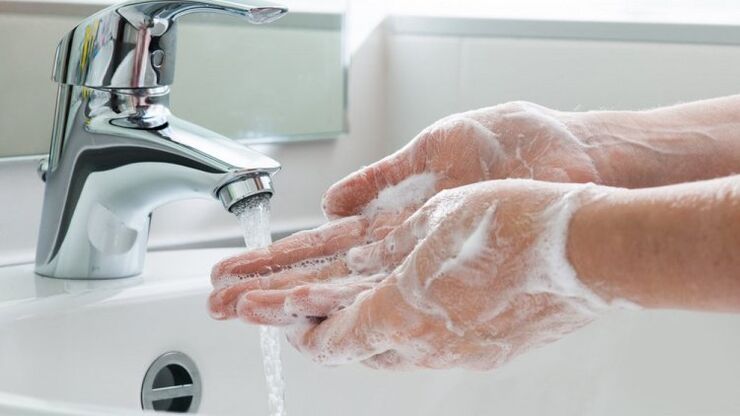
As we have already said, it is recommended to carry out anthelmintic courses twice a year - in spring, preferably in March or April (after the snow melts) and in autumn, after the first frosts (in October or November).Furthermore, effective preventive measures are compliance with basic hygiene rules, that is, washing your hands with soap after leaving the house, going to the bathroom and places with large crowds of people, treating children's toys with soap and water and washing plant products thoroughly in different waters before consumption.Furthermore, it is advisable to avoid consuming meat and fish products that have not undergone heat treatment.If alarming symptoms appear, you should consult a doctor who will test for parasites and, if necessary, prescribe the correct treatment.